

How To Remove A Lever Door Handle
Removing a lever door handle is a task that many homeowners, facility managers, and renovation workers eventually need to perform. Whether the handle needs to be replaced, repaired, lubricated, upgraded, or taken off for door refinishing, understanding the proper removal steps prevents damage to the door, lock mechanism, and internal components. Although lever handles appear simple on the outside, the mechanism behind them involves screws, spindles, latches, and decorative plates that must be handled correctly.
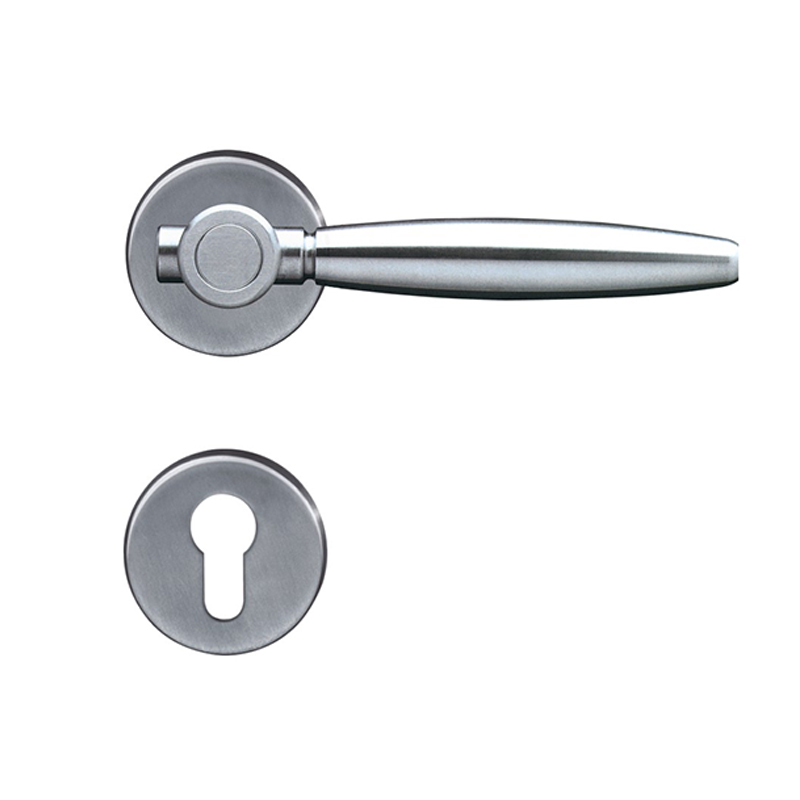
A high-quality lever handle—such as the stainless-steel designs from JINKAISHUN Hardware’s Lever Handle collection—uses precise internal mechanisms that allow smooth removal and reinstallation. This article explains, in detail, how lever handles are structured, how their fastenings work, why different models require different approaches, and the correct step-by-step procedure for taking one off without causing damage.
1. Understanding the Internal Structure of a Lever Door Handle
Before starting the removal process, it is essential to understand how a lever door handle is built. While there are aesthetic variations, the internal system typically follows a standard arrangement: a lever grip on each side of the door, connected through a spindle that attaches to a latch mechanism. Hidden screws, a fixing plate, or a spring-loaded release pin keep the handles in place.
This internal structure determines how the handle should be removed. Some handles use exposed screws, while others hide screws behind a cover plate. Still others rely on a detent (small pin) to release the lever from the spindle.
Key Components Inside a Lever Handle
| Component | Function |
|---|---|
| Lever Grip | The part you turn to operate the latch |
| Spindle Bar | Connects both levers to engage the latch |
| Rosette / Backplate | Decorative plate covering screws |
| Set Screws | Secure the lever to the spindle |
| Detent Pin | Releases the lever when pressed |
| Latch Mechanism | Moves the latch bolt when the lever turns |
Handles from JINKAISHUN Hardware feature durable internal springs and reinforced spindles, making removal and reinstallation more stable during maintenance.
2. Identifying Your Lever Handle Type Before Removing It
Not all lever handles remove the same way. Before attempting any action, identify the fixing method. This avoids unnecessary force and prevents scratching or bending metal components.
Common Lever Handle Types Based on Fastening Style
Exposed Screw Handle
Screws on one or both sides of the handle are visible.Hidden Screw Handle with Removable Plate
A cover plate snaps on to hide screws underneath.Detent Pin (Push-Release) Handle
A small pin hole under the lever releases the grip.Backplate Handle with Rear Fasteners
Screws fasten through the entire door using a connected plate.
Each type may appear similar to the untrained eye, especially when the rosette or plate hides the fasteners. JINKAISHUN’s Lever Handle line includes models with both exposed-screw and concealed-screw systems, making correct identification essential for proper removal.
Quick Identification Table
| Visual Feature | Likely Handle Type |
|---|---|
| You see screws directly | Exposed screw |
| Smooth plate with no screws | Hidden screw |
| Small hole under lever | Detent pin type |
| Large plate covering door | Backplate handle |
Once identified, removal becomes more predictable and safer.
3. Preparing Tools and the Work Area Before Removal
Removing a lever handle involves several small components. Proper preparation ensures you do not misplace screws or scratch surfaces. Start by placing a soft cloth or towel under the handle area to catch falling screws. Use the correct screwdriver head to avoid stripping.
Recommended Tools
Phillips screwdriver
Flathead screwdriver
Hex/Allen key (if required)
Small awl or paperclip for detent pin models
Utility knife (for very tight plates, used gently)
Soft cloth to protect door surface
Because lever handles—especially stainless steel models like those from JINKAISHUN—contain polished or brushed surfaces, never use metal prying tools directly without protective padding.
A clean workspace ensures the removed parts can be organized for later reinstallation.
4. Removing the Lever Handle: Step-by-Step Instructions by Handle Type
The actual removal depends entirely on fastening style. Below are detailed procedures for each type. While the sequence differs slightly, the principles remain consistent: release the handle, access the screws, remove fastening, and slide the spindle out.
A. Removing Exposed-Screw Lever Handles
This is the simplest type. Begin by loosening the screws with the appropriate screwdriver. Once removed, the handle will slide away from the spindle.
Steps:
Locate screws on the interior side of the handle.
Unscrew them fully and set them aside.
Pull the lever away on one side; the other side will come loose.
Remove the spindle bar.
If removing the latch, unscrew the two faceplate screws.
Exposed-screw handles are especially easy to maintain and reassemble.
B. Removing Hidden-Screw (Concealed Plate) Handles
Most modern lever handles use hidden screws to maintain a clean appearance. These handles have a snap-on rosette that must be removed before accessing fasteners.
Steps:
Look for a small seam around the rosette.
Use a flathead screwdriver wrapped in a cloth to gently pry off the cover.
Once the plate is off, unscrew the visible screws.
Pull the handle halves apart.
Slide out the spindle and remove remaining mounting plates.
This method requires gentle prying to avoid damaging the finish.
C. Removing Detent Pin Lever Handles
These handles use a spring-loaded pin under the lever that releases the grip from the spindle. This type is widely used in modern stainless-steel lever models.
Steps:
Locate the small round pin hole under the lever.
Insert a paperclip or awl and press inward.
While pressing, pull the lever outward; it will slide off.
Repeat on the other side if necessary.
Remove the exposed mounting plate screws.
JINKAISHUN’s Lever Handle includes ergonomic detent mechanisms designed for simple disassembly and reassembly.
D. Removing Backplate Lever Handles
This type has a long plate covering both the lever and lock. Removal requires unscrewing the plate itself.
Steps:
Remove screws from the upper and lower sections of the backplate.
Lift the plate off to expose the mounting screws.
Unscrew the internal fasteners.
Remove both levers and the spindle.
This style is common in hospitality, institutional, and commercial installations.
5. Removing the Latch and Restoring the Door After Handle Removal
Although many users only need to remove the lever, others may want to replace or inspect the latch. Once the handle is off, the latch mechanism is easily accessed.
How to Remove the Latch
Unscrew the two screws on the latch faceplate.
Slide the latch out from the door edge.
Inspect the latch for wear, rust, or spring fatigue.
Clean the cavity if replacing the latch with a new one.
During reinstallation, ensure the latch orientation matches your door’s handing (left or right).
Restoring the Door Surface
Once the hardware is removed:
Clean the area around the old rosette
Remove dirt rings formed over years of use
Repair scratches with wood filler (if wooden door)
Repaint or refinish if desired
Lever handles from JINKAISHUN Hardware are designed with precise rosette alignment, meaning reinstallation will cover previous markings effectively.
6. Tips to Avoid Damage When Removing a Lever Handle
Improper removal can cause structural issues or leave visible marks on the door. Smooth operation comes from using the right technique.
Important Tips
Never apply force without checking for hidden screws
Protect metal surfaces with cloth when prying
Avoid over-rotating detent pin systems
Keep all screws in a labeled container
If resistance feels unusual, stop and reassess the fastening method
These small precautions preserve the quality of both the handle and the door, especially when working with premium stainless-steel lever hardware.
7. When to Replace the Lever Handle Instead of Removing for Repair
Sometimes removal reveals deeper mechanical problems. Springs may be worn, spindles may be bent, or internal components may corrode. In such cases, replacing the entire handle set is often more efficient.
Signs a Lever Handle Should Be Replaced
Lever sags or does not return automatically
Excessive wobbling even after tightening
Corroded internal springs or spindle
Difficulty turning the lever
Handle does not latch smoothly
Replacing old hardware with a high-quality stainless-steel model from JINKAISHUN’s Lever Handle collection ensures long-term reliability and smoother operation.
Conclusion
Removing a lever door handle is a straightforward process once you understand the fastening style and internal structure. Whether the handle uses exposed screws, concealed plates, backplates, or a detent pin, each mechanism can be safely removed by applying the correct technique. Preparing tools, protecting surfaces, identifying fixing types, and following precise steps will prevent damage and ensure easy reinstallation.
High-quality lever handles—such as those from JINKAISHUN Hardware—are designed for both durability and convenience during maintenance. Knowing how to remove them properly extends door lifespan, improves home safety, and makes upgrades easier whenever needed.