

How To Fix A Loose Door Handle
A loose door handle is one of the most common hardware issues found in residential homes, commercial offices, and hospitality buildings. Over time, daily pulling, pushing, and turning gradually reduce the tension of internal screws or spindles. When the handle begins to wobble or shift, it affects both usability and safety. A loose handle may cause difficulty opening doors, increase the risk of accidental lockouts, and eventually damage the latch mechanism if left unrepaired.
Repairing a loose door handle does not always require specialized tools—it often involves tightening internal screws, adjusting the mounting plate, or inspecting worn internal components. However, understanding why the handle becomes loose and how its parts work helps ensure a proper and lasting repair. At JINKAISHUN, our Door Handle products are designed with durable internal structures, stable spindles, and reinforced mounting systems to minimize loosening, but all mechanical components need occasional maintenance after long-term use.
This guide explains why door handles become loose, how to diagnose the source of the issue, and how to repair it effectively without harming the hardware or the door structure.
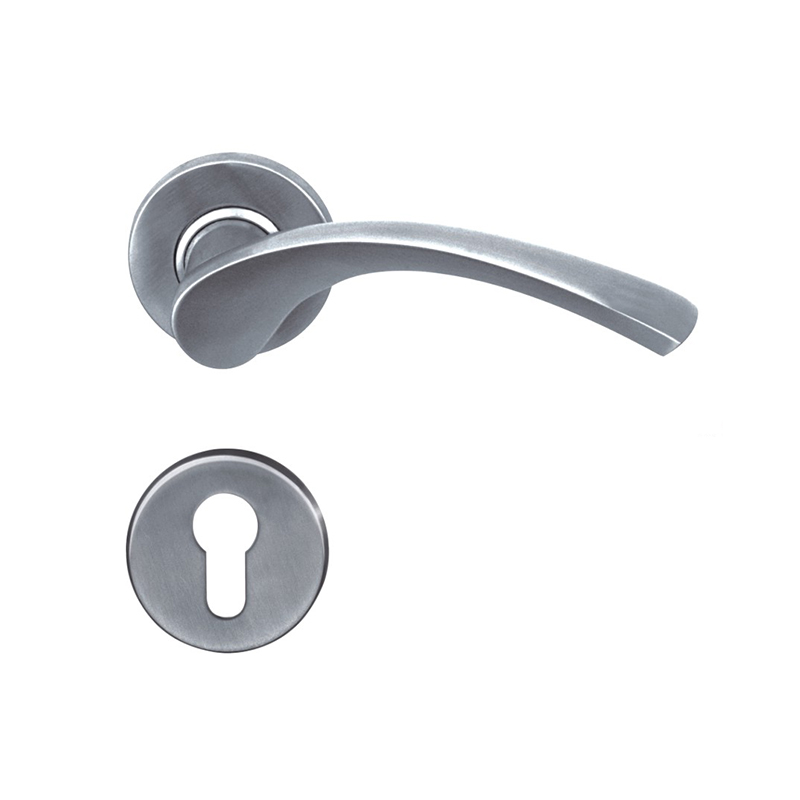
1. Common Reasons Why Door Handles Become Loose
Door handles may loosen for several reasons, and identifying the root cause is the first step in performing a correct repair. Handles fixed on wooden doors react to humidity changes, metal components experience natural wear, and certain installation environments—such as public corridors or commercial venues—subject the hardware to heavy daily use.
A loose handle can be caused by:
Wear and Tear from Regular Use
Every time a handle is turned, the spindle rotates and transfers force to the latch. Over years of use, screws gradually lose tightness and the components start to shift, leading to wobbling.
Changes in Door Material
Wood expands under humidity and contracts in dry conditions, which may cause screws to loosen. Hollow-core doors sometimes compress around the screw holes, making the handle feel unstable.
Improper Installation
If the original installation did not fully tighten the mounting screws or the spindle was not aligned properly, the handle may loosen faster than expected.
Internal Component Fatigue
Springs inside the handle mechanism can weaken, especially in older hardware designs. When tension decreases, the handle may sag or wobble.
These causes influence which repair method will be most effective.
2. Diagnosing the Type of Looseness Before Repair
Not all loose door handles exhibit the same symptoms. Identifying what kind of looseness is occurring helps determine whether the handle simply needs tightening or whether deeper components must be inspected.
Types of Handle Looseness and What They Mean
| Looseness Type | Possible Cause | Repair Focus |
|---|---|---|
| Wobbly Handle | Loose mounting screws | Tighten screws |
| Handle Turns Too Freely | Loose spindle or worn spring | Inspect internal mechanism |
| Handle Droops | Broken return spring | Replace internal spring |
| Plate Shifts | Mounting plate movement | Re-secure plate |
| Lock Doesn’t Engage | Spindle misalignment | Realign spindle |
A precise diagnosis prevents unnecessary disassembly and ensures the correct repair procedure.
3. Tightening Visible Screws to Restore Handle Stability
One of the simplest repairs involves tightening the exposed screws located on the mounting plate or handle base. Some door handles have visible screws; others hide them beneath decorative covers. The repair approach changes depending on the handle’s style, but the objective remains the same: secure the handle body firmly against the door surface.
Step-by-Step Tightening Process (Visible Screw Handles)
Inspect the handle base and identify screws located on the cover plate or mounting bracket.
Use a correctly sized screwdriver to tighten them evenly.
Test the handle movement to ensure stability.
Avoid overtightening, which can strip screw threads or damage the door.
This method works well for most standard door handles in bedrooms, offices, and interior passageways.
4. Adjusting or Re-Securing Hidden Mounting Plate Screws
Many modern door handles—including several JINKAISHUN Door Handle models—feature a concealed-screw design for a sleek appearance. A decorative cover cap hides the internal mounting screws. In this case, repairing a loose handle requires removing the cover first.
How to Access Hidden Screws
Look for a small notch on the underside of the cover plate.
Insert a flat-head screwdriver gently and twist to lift the plate.
Once removed, access the mounting plate screws underneath.
Tighten the screws evenly until the handle becomes stable again.
Reattach the cover by snapping it into place.
Unlike visible screw handles, concealed designs require careful handling during disassembly to avoid scratching the finish.
5. Inspecting and Tightening the Spindle for Internal Looseness
If the handle wobbles even after tightening the mounting screws, the problem may lie in the spindle—the metal rod that connects the two handle levers through the door. Spindle looseness affects how the latch retracts and may cause the handle to feel loose or unresponsive.
Signs of a Loose Spindle
Handle turns too far before engaging latch
Handle moves horizontally but does not feel secure
Latch retracts delayed or unevenly
Repairing Spindle Issues
Remove the handle to expose the spindle connection
Tighten the set screws that secure the spindle
If the spindle is worn or rounded, replace it with a new one
Reassemble and test the handle movement
A secure spindle significantly improves the precision and lifespan of the door handle.
6. Realigning the Latch and Ensuring Smooth Rotation
Sometimes a loose handle is caused not by screws but by a misaligned latch mechanism. When the latch is positioned incorrectly or the door shifts, the handle may feel loose even if the hardware itself is still intact.
A misaligned latch creates extra resistance on the spindle and handle. When the operator thinks the handle is loose, the actual problem may be the latch dragging inside the strike plate.
How to Correct Latch Misalignment
Inspect whether the latch moves smoothly inside the door edge.
Check whether the strike plate in the door frame is aligned.
Realign the strike plate if necessary.
Lubricate the latch to reduce friction.
This ensures the handle feels firm during operation.
7. Repairing Loose Handles on Doors with Heavy Use
Doors in commercial buildings, public facilities, hotels, and institutions receive more aggressive and frequent usage. Handles installed in these environments may loosen more often due to heavy loads and repetitive motion.
Reinforcement Techniques for High-Traffic Doors
Use longer screws for deeper anchoring
Replace worn internal springs
Reinforce the door core if screw holes become enlarged
Upgrade to heavy-duty handles designed for extended use
Many JINKAISHUN Door Handle products for hospitality and commercial applications feature reinforced mounting structures that help resist frequent impacts and pulling.
8. Understanding When a Loose Handle Indicates Internal Damage
Not every loose handle can be restored by tightening. In some cases, internal components may be damaged beyond repair. Springs inside the handle mechanism can break, the spindle can deform, and the latch assembly may be worn out.
Signs the Handle May Need Replacement
Handle droops and does not spring back
Latch does not retract smoothly
Set screws cannot tighten properly
Spindle shows obvious rounding or bending
Handle wobbles even after full tightening
When multiple parts show fatigue, replacing the handle is often more cost-effective and ensures better long-term reliability.
9. Preventive Measures to Avoid Future Loosening
Once the handle is fixed, maintenance plays an important role in keeping it secure. Preventive care helps avoid future loosening and extends the lifespan of the hardware.
Effective Maintenance Practices
| Routine | Benefit |
|---|---|
| Tighten screws annually | Prevent progressive loosening |
| Lubricate latch and moving parts | Ensure smoother operation |
| Avoid forcing handle under load | Reduces spindle wear |
| Keep screws free of rust | Preserves mechanical strength |
| Use proper cleaning agents | Avoids finish corrosion |
These simple habits ensure long-term stability and reduce the frequency of repairs.
Conclusion
Fixing a loose door handle involves understanding how internal screws, spindles, mounting plates, and latch mechanisms interact. By diagnosing the type of looseness, tightening visible or concealed screws, inspecting the spindle, and ensuring proper alignment, the handle can be restored to full stability. In cases where internal parts are worn or damaged, replacement becomes the best solution.
JINKAISHUN’s Door Handle collections are engineered with durable structure, robust mounting plates, and smooth internal mechanisms that minimize loosening over time. With proper installation, periodic maintenance, and timely repair, these handles deliver reliable long-term performance for homes, offices, and commercial settings.
Previous: How To Change A Door Handle?