

How To Change A Door Handle?
Changing a door handle is one of the most practical hardware upgrades you can do. It improves daily usability, refreshes the look of a door, and can solve common issues such as a loose lever, misaligned latch, sticky operation, or worn-out finishes. The process is usually simple, but the key to a smooth result is choosing the correct replacement style and confirming the measurements before you remove anything.
This guide explains how to replace a door handle step by step, how to identify the hardware type you have, and how to avoid the most common installation mistakes. To explore handle styles and specifications, visit JINKAISHUN door handles.
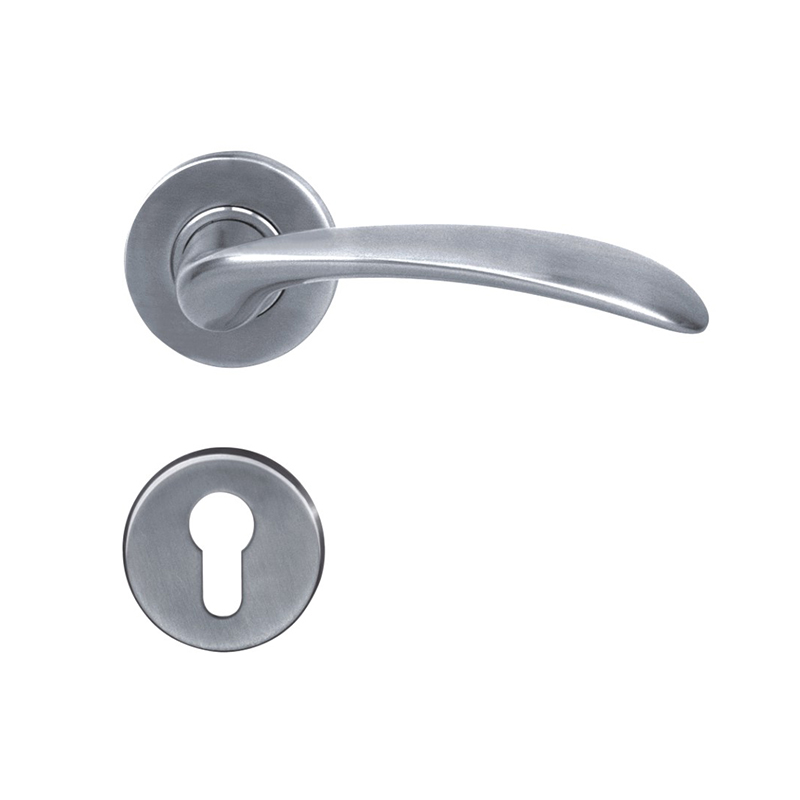
Identify The Door Handle Type Before You Start
Most doors use one of these handle setups:
Lever handle with a tubular latch
Common for interior doors and many light-duty exterior applications. The lever set clamps through the door and drives a spring latch.Knob with a tubular latch
Similar structure to lever handles, with a round knob rather than a lever.Mortise lock handle
Typically used on higher-end doors. The latch and mechanism are inside a rectangular mortise case. The handle uses a spindle that passes through the mortise lock.Entrance handle set
Often used for front doors. May include a lever or knob and a separate deadbolt above.
If you are unsure, remove one screw from the interior plate and look at the latch edge. A tubular latch is usually a round face plate and a cylindrical body. A mortise lock is a larger rectangular case.
Tools And Materials You Will Need
Most replacements require only basic tools:
Phillips screwdriver
Flat screwdriver for prying trim if needed
Tape measure
Pencil or marker
Optional: drill with bits, wood filler, and a chisel for adjusting the latch plate
If you are replacing a mortise handle or changing from knob to lever with a new latch, keep the existing hardware until the new set is fully installed and tested.
Measure The Door So The New Handle Fits
Most door handle problems come from mismatched sizes. Measure these before ordering or installing.
Key measurements:
Door thickness: commonly around 35–45 mm for many interior doors, but can vary widely
Backset: distance from the edge of the door to the center of the handle hole
Bore hole diameter: the main round hole through the door
Latch face plate size: the plate on the door edge
If you are replacing like-for-like, many modern handle sets are designed to fit standard door preps. If your door is older or custom, double-check everything.
Remove The Old Door Handle Safely
Open the door and keep it stable
Work with the door open so you do not accidentally lock yourself out. If the door swings easily, wedge something under it.Locate the screws on the interior side
Most lever sets have two long screws holding the interior and exterior halves together. Some have hidden screws under a decorative rose that pops off.Unscrew and remove the handle halves
Hold the exterior handle so it does not fall. Remove screws and slide both sides off the spindle.Remove the latch
On the door edge, remove the two screws holding the latch plate. Pull the latch body out.Inspect the holes and door edge
Check for stripped screw holes, cracked wood, or a distorted latch pocket. Fixing these now prevents looseness later.
If screws are stripped, use longer screws or fill and re-drill. A tight base makes the handle feel solid.
Install The New Latch Correctly
Confirm latch length and backset position
Some latches are adjustable. Set the latch to match your door’s backset so the spindle aligns cleanly.Insert the latch with the correct orientation
The beveled side of the latch bolt should face the direction the door closes into the strike plate. This helps the latch glide smoothly.Attach the latch plate firmly
Tighten screws evenly. If the plate sits proud, the door may not close properly. If the recess is too shallow, carefully deepen it.
A properly installed latch reduces the force needed to close the door and prevents premature wear.
Install The New Handle Set Step By Step
Insert the exterior handle
Slide the spindle through the latch. Make sure the handle is level and seated flush.Attach the interior handle and align the screw posts
Keep the handle centered so the spindle is not binding.Tighten screws gradually and evenly
Alternate between screws rather than fully tightening one side first. This prevents the set from pulling off-center.Test handle action before closing the door
Press the lever and confirm the latch retracts fully and springs back smoothly.
If the lever feels stiff, loosen screws slightly and realign. Over-tightening can bind some handle mechanisms.
Check The Strike Plate And Door Alignment
A new handle may reveal an old alignment issue. If the door does not latch easily:
If the latch hits the strike plate, adjust the strike plate position slightly
If the latch goes in but rubs, enlarge the strike opening carefully
If the door is sagging, tighten hinge screws or replace with longer screws into the stud
A door that latches without pushing or lifting will keep hardware lasting longer and reduce customer complaints in installed projects.
Common Problems And Quick Fixes
Handle feels loose after installation
Screws may not be fully seated, or the door holes are worn. Re-tighten and consider using longer screws or wood filler.Latch does not retract fully
The spindle may be misaligned or the screws are too tight. Loosen, realign, then re-tighten evenly.Door won’t latch unless pushed hard
Strike plate alignment is off. Adjust the strike plate or the opening.Lever returns slowly
Binding can come from the latch, misalignment, or dirt in the mechanism. Confirm latch orientation and that the handle plates sit flush.
When You Should Replace More Than The Handle
Sometimes the handle is not the only issue. Consider replacing the latch or upgrading the full set if:
The latch is worn and sticks even with a new handle
The door edge plate is damaged
You are changing function, such as adding privacy or keyed entry
You need better corrosion resistance for coastal or humid environments
For projects with frequent use, selecting robust internal springs, stable finishes, and consistent production tolerances can reduce maintenance calls.
Quick Compatibility Checklist
| Item To Confirm | Why It Matters | What To Check |
|---|---|---|
| Door thickness | Ensures screws and spindle length fit | Measure door edge-to-edge |
| Backset | Aligns handle hole to latch | Measure edge to center hole |
| Latch type | Tubular vs mortise compatibility | Check door edge mechanism |
| Function | Passage, privacy, keyed entry | Match room and code needs |
| Handing | Left or right swing | Confirm door swing direction |
If you are handling multiple doors in one project, standardizing these specs helps speed up installation and keeps spares consistent.
Conclusion
Changing a door handle is a straightforward upgrade when you start by identifying the latch type and confirming key measurements like door thickness and backset. Remove the old handle, install the latch with correct orientation, align the new handle set carefully, and finish by checking strike plate alignment so the door latches smoothly. A clean installation not only improves daily feel but also extends the service life of the hardware.
To explore handle styles and configurations, browse JINKAISHUN door handles. If you are working on a renovation or project order and want help confirming measurements, functions, and finish options, reach out to JINKAISHUN for guidance. We can support specification matching and provide practical recommendations to help your installation go smoothly.