

How Do You Tighten A Loose Door Handle?
A loose door handle is more than an annoyance. It can cause the latch to misalign, make the door hard to close, wear out the spindle and spring mechanism, and eventually strip screw holes in the door. The good news is that most loose handles can be tightened in minutes with basic tools, as long as you identify what style of handle you have and tighten the correct parts in the correct order.
This guide explains why door handles loosen, how to tighten different handle types, and what to do if the screws no longer grip. If you want to compare handle constructions and replacement options, visit JINKAISHUN door handles.
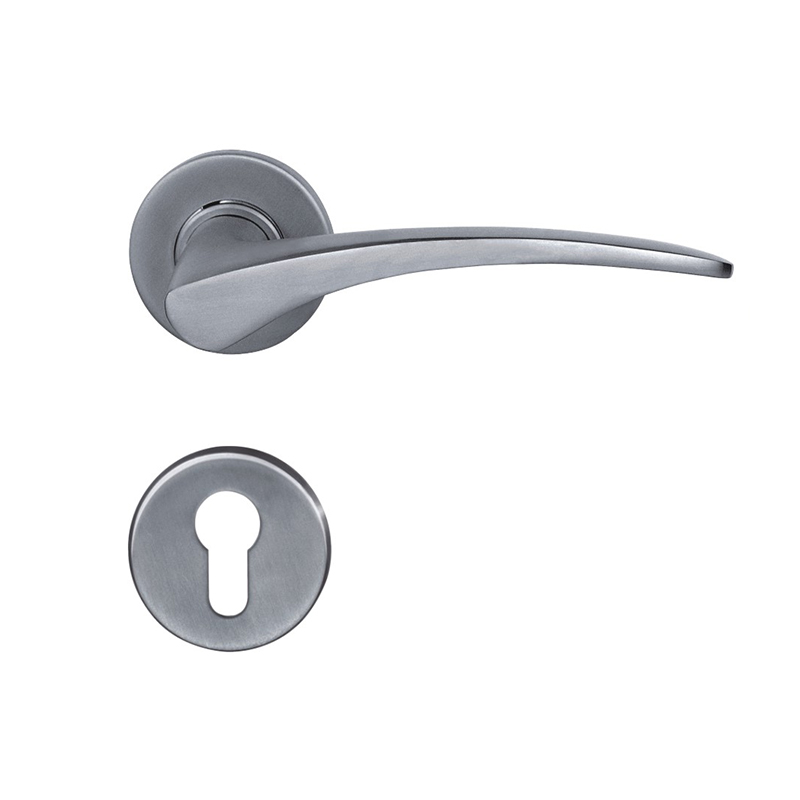
Why Door Handles Become Loose
Door handles loosen for a few predictable reasons. Understanding the cause helps you fix it properly rather than tightening the wrong part repeatedly.
Common causes include:
Normal vibration and repeated use that gradually backs out screws
Over-tightened fasteners that deform plates and create play over time
Worn spindle or set screw that no longer clamps tightly
Stripped screw holes in the door that cannot hold threads
Misaligned latch and strike that forces users to push or pull harder, increasing stress on the handle
Loose latch case screws that make the whole assembly feel unstable
A correct fix usually includes tightening the handle, checking the latch, and confirming that the door closes without excessive force.
Tools You Typically Need
Most tightening jobs require:
Phillips screwdriver
Flat screwdriver for prying a trim cover if needed
Small Allen key if your lever has a set screw
Optional: thread locker, toothpicks or wood dowel, wood glue, replacement screws
If the handle is on an entry door, keep the door open while working so you do not accidentally lock yourself out.
First Step: Identify Your Handle Construction
Most loose handle situations fall into one of these categories:
Lever handle with visible through-bolts
Screws are usually on the interior rose or plate and clamp the handle halves through the door.Lever handle with concealed screws
A decorative cover hides the mounting screws.Lever handle with a set screw on the lever
The lever itself loosens on the spindle, even though the mounting plate is tight.Mortise lock handle
Looseness may come from the spindle, the mortise lock case, or the escutcheon screws.Knob set
Similar tightening method to lever sets, often with a different trim design.
Once you know which style you have, you can tighten the correct point instead of guessing.
How To Tighten A Loose Lever Door Handle
Tighten The Mounting Screws
Open the door and support the handle
Hold the exterior handle so it does not shift while you tighten.Look for screws on the interior side
Many lever handles have two long screws positioned opposite each other. Tighten them evenly.Tighten gradually in alternating turns
Turn each screw a little, then switch to the other screw. This keeps the plates aligned and prevents binding.Test the handle action
Press the lever several times. The latch should retract smoothly and spring back. If it feels stiff, the screws may be too tight or the plates may be misaligned.
If the handle tightens but feels stiff, slightly loosen the screws, realign the plates so they sit flush, then tighten again evenly.
Access Screws Hidden Under A Decorative Rose
Some modern lever handles hide the screws behind a snap-on cover.
Look for a small notch on the rose edge
Use a flat screwdriver to gently pry off the cover
Tighten the mounting screws underneath
Snap the cover back in place
Work slowly to avoid scratching the finish.
Tighten A Loose Lever With A Set Screw
If the lever wiggles but the plates feel solid, the lever may be loose on the spindle.
Look under the lever near the neck for a small set screw
Insert the correct Allen key
Tighten the set screw firmly, but do not strip it
Test for movement
If the set screw keeps loosening, a small amount of removable thread locker can help.
How To Tighten A Loose Knob Set
Knob sets typically loosen at the same locations as lever sets.
Steps:
Tighten the interior mounting screws first
If there is a trim ring, remove it to access concealed screws
Confirm the latch edge plate screws are snug
Test latching action and alignment
A knob that feels loose can also be caused by a loose latch case, so always check the door edge screws.
How To Tighten A Loose Mortise Handle
Mortise hardware can loosen at the escutcheon plates or at the spindle connection.
Tighten escutcheon screws on the interior side
Check whether the lever is loose on the spindle and tighten the lever set screw if present
If the handle still feels loose, the mortise lock case screws may be loose inside the door edge
Re-check latch and spring return
If a mortise handle has persistent play, the spindle size or lock follower may be worn. In that case, replacing the worn component usually solves the problem.
If The Screws Spin: Fix Stripped Holes Properly
If the screws will not tighten because the wood is stripped, tightening harder will not help. You need to restore grip.
Quick Fix For Light Stripping
Remove the screw
Insert wooden toothpicks with a small amount of wood glue
Break flush and allow to set
Reinstall the screw
Stronger Fix For Heavily Stripped Holes
Use a wood dowel that matches the hole size
Glue it in place, let it cure, then pre-drill a pilot hole
Reinstall the screws
For high-traffic doors, this stronger method keeps the handle stable longer.
Prevent The Handle From Loosening Again
Once tightened, reduce the conditions that cause repeated loosening.
Practical prevention steps:
Make sure the door latches without forcing
If the strike plate is misaligned, users push harder and loosen hardware faster.Tighten evenly, not excessively
Over-tightening can distort plates and cause binding that accelerates wear.Periodically check screws in high-traffic areas
Doors in corridors, rentals, or public spaces should be checked as part of routine maintenance.Use proper screw length and engagement
Longer screws can improve holding power when the door core material is soft.
When A Loose Handle Means You Should Replace It
Sometimes tightening is only a temporary fix. Consider replacement if:
The lever mechanism has internal spring failure and does not return properly
The spindle is worn and cannot clamp tightly
The mounting base is cracked or warped
Corrosion has weakened screws or internal parts
You need a more durable solution for frequent-use doors
For project applications, selecting a handle set with stable mounting design and consistent machining tolerances helps reduce callbacks and ongoing maintenance.
Troubleshooting Quick Reference
| Symptom | Likely Cause | Best Fix |
|---|---|---|
| Whole handle wobbles | Loose mounting screws | Tighten through-bolts evenly |
| Lever wiggles but plates are tight | Loose lever set screw | Tighten Allen set screw |
| Handle tight but feels stiff | Plates misaligned or over-tightened | Re-center plates and retighten |
| Screws won’t tighten | Stripped door holes | Toothpick or dowel repair |
| Door requires force to latch | Strike plate misalignment | Adjust strike position or opening |
Conclusion
To tighten a loose door handle, start by identifying whether the looseness is in the mounting screws, the lever set screw, or the latch and door alignment. Tighten mounting screws evenly, secure any set screws on the lever, and repair stripped holes instead of forcing screws to spin. A properly tightened handle should feel solid, retract the latch smoothly, and allow the door to close without extra pushing.
To explore handle styles and replacement options, browse JINKAISHUN door handles. If you have a specific door thickness, backset, and function requirement for a project, contact JINKAISHUN for guidance. We can help confirm compatibility, recommend suitable configurations, and support efficient installation planning.
Previous: