

How Do You Tighten A Loose Door Handle?
A loose door handle is one of the most common hardware issues in both residential and commercial spaces. The good news is that it is usually easy to fix. In most cases, tightening a loose door handle means locating the hidden screws, securing the internal mounting plate, and making sure the handle is firmly connected to the spindle and latch system.
This may sound simple, but for contractors, distributors, project buyers, and facility managers, it is not just about fixing one handle. It is about understanding why the handle becomes loose in the first place and how to avoid repeated maintenance across multiple doors. In large projects such as hotels, apartments, offices, and public buildings, even a small issue like a loose handle can quickly turn into a recurring maintenance cost.
Why Door Handles Become Loose Over Time
A door handle becomes loose mainly because of repeated use. Every time the handle is turned, a small amount of movement happens inside the mechanism. Over time, screws can shift slightly, internal components may lose tension, and the handle may no longer sit tightly against the door surface.
In commercial environments, this process happens much faster. High-frequency use in offices, public restrooms, rental properties, and hospitality spaces puts more stress on the hardware. That is why B-end buyers usually look beyond appearance when selecting door handles. They are thinking about durability, internal structure, and how well the product holds up after long-term use.
How To Tighten A Loose Door Handle Properly
The process usually starts by identifying the type of handle. Many modern lever handles use concealed screws, so the fixing points are not immediately visible. A small hole or slot under the handle often indicates where the release mechanism is located.
After removing or loosening the handle cover, the mounting plate and screws can be accessed. Tightening these screws helps secure the handle back to the door. Once the internal plate is stable, the handle can be reassembled and checked to make sure it turns smoothly without wobbling.
This process is straightforward for a single door, but in commercial projects, the situation is different. Maintenance teams may need to repeat this task across dozens or hundreds of units. That is why installation structure and accessibility matter so much in product selection.
Why Hidden Screw Design Affects Maintenance
Modern lever handles often use hidden screw designs to improve appearance. While this creates a cleaner look, it can also make maintenance slightly less direct if the installer is not familiar with the structure. For professional buyers, this is an important detail.
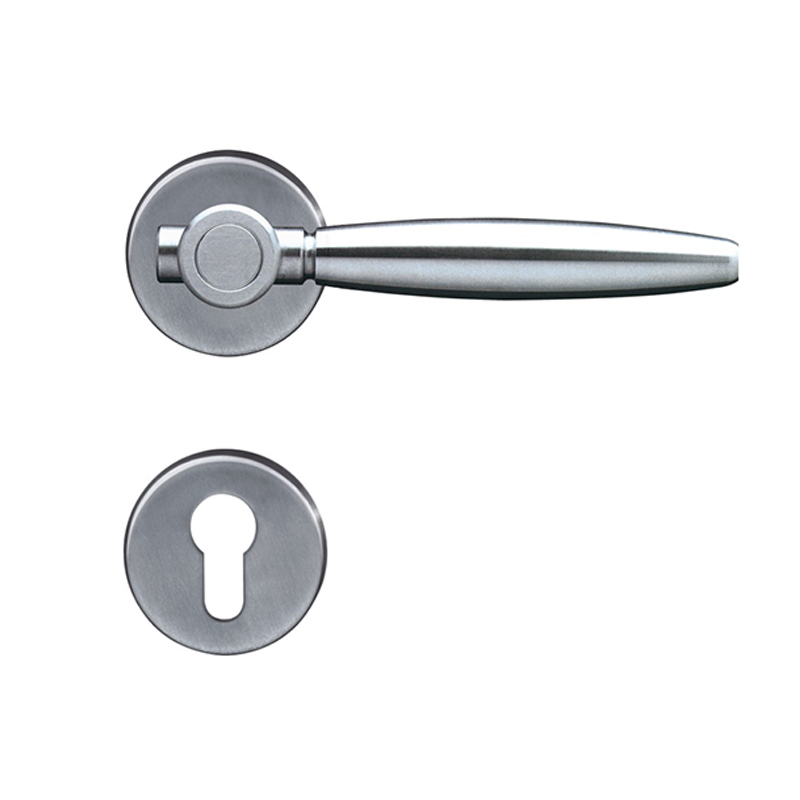
A well-designed handle should balance aesthetics with practicality. It should look clean on the door, but also allow reasonable access for tightening and servicing. Our privacy lever handle fits into this discussion because it uses a concealed screw structure combined with a clear mounting system, making it easier to maintain without affecting the overall visual design.
Why Installation Quality Matters As Much As The Product
A loose handle is not always caused by the product itself. In many cases, it comes from installation issues. If the screws are not tightened evenly, if the latch alignment is slightly off, or if the door thickness does not match the hardware specification, the handle may loosen faster.
This is a common pain point for project buyers. They may choose a good product, but if installation is rushed or inconsistent, the final result still creates maintenance issues. That is why many contractors and distributors prefer working with suppliers who can provide clear installation guidance and consistent product standards.
Our product is relevant here because it is designed for easier installation, with a mounting structure that supports stable fixing and smooth operation. For wholesale and OEM customers, this reduces the risk of repeated service calls after installation.
Why Material And Structure Affect Long-Term Stability
Not all door handles perform the same under long-term use. The internal structure, spring mechanism, and material quality all influence how well the handle stays tight over time. A handle that feels solid at first may become loose quickly if the internal components are not designed for frequent use.
This is especially important in high-traffic environments. Hotels, offices, and public facilities require hardware that can handle constant operation without losing stability. That is why B-end buyers often focus on structural reliability, not just surface finish.
Our privacy lever handle supports this requirement with a durable structure and a design that fits both residential and commercial use. It is commonly used for bedroom and bathroom doors, where privacy function and smooth operation are both important.
Why Buyers Should Think Beyond A Simple Repair
Fixing a loose handle solves the immediate problem, but it does not always solve the root cause. If the hardware is not suitable for the environment, the same issue may appear again. That is why professional buyers usually think one step further. They ask whether the handle type is right for the project, whether the installation method is correct, and whether the supplier can provide consistent quality across multiple orders.
In large-scale supply, this becomes even more important. A distributor or project buyer does not want to deal with repeated complaints about loose handles. They want a product that performs reliably from the beginning and reduces maintenance pressure later.
Why Supplier Support Makes A Difference
Door hardware may seem simple, but in project supply it involves many details. Cut-out size, door thickness compatibility, installation method, and usage environment all affect performance. A supplier that understands these factors can help buyers avoid mismatched products and reduce after-sales issues.
Our role as a hardware supplier is not only to provide a lever handle, but also to support buyers with practical solutions for real applications. Whether it is a wholesale order, an OEM request, or a project-based supply, consistent quality and clear product structure help make the entire process smoother.
Conclusion
So, how do you tighten a loose door handle? In most cases, it involves accessing the internal screws, securing the mounting plate, and making sure the handle is properly aligned and fixed. The process is simple, but the long-term result depends on product design, installation quality, and usage conditions.
For commercial buyers, the better approach is not only to fix the issue, but to choose hardware that reduces the chance of it happening again. A well-designed privacy lever handle with stable structure and easier maintenance access can help improve overall project quality and reduce ongoing service work. If you are sourcing door hardware for wholesale, OEM, or project use, contact us with your requirements. We can help you select a more suitable solution and support your project from installation to long-term use.
Previous: Where To Buy Door Handles?