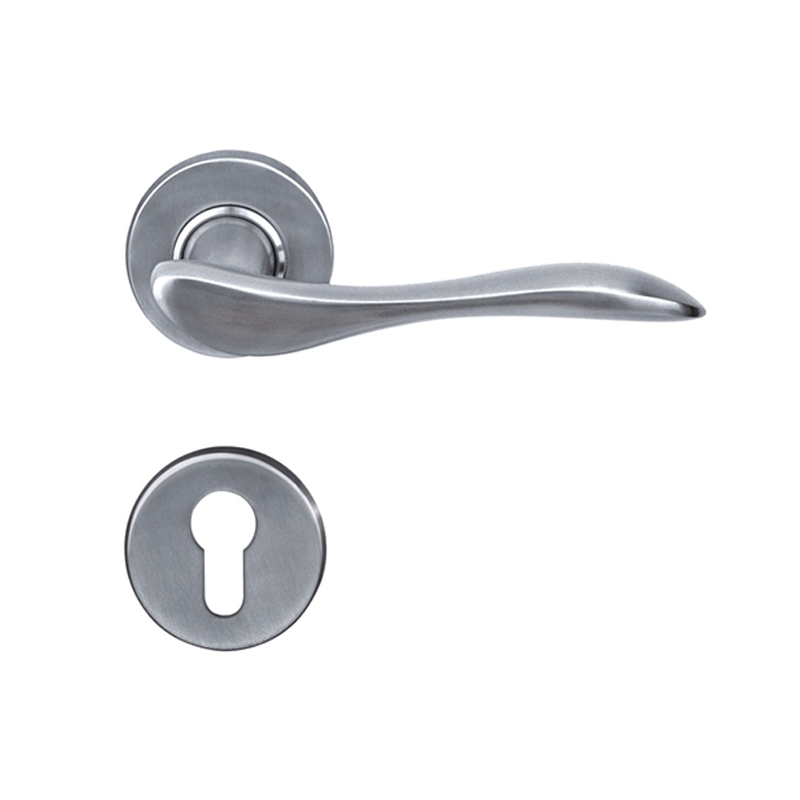
How To Take Off A Door Handle Without Screws?
A door handle without visible screws can confuse many installers at first glance. In hotel rooms, apartments, office buildings, interior door projects, and furniture hardware replacement jobs, the handle may look clean from the outside, but the fixing structure is usually hidden under a cover plate, rosette, small slot, or internal release point.
For contractors, door factories, hardware distributors, and maintenance teams, the real issue is not only how to remove one handle. The bigger concern is avoiding door surface damage, lost parts, delayed replacement, and extra labor during bulk maintenance. A handle removed the wrong way can scratch the door panel, bend the rosette, damage the spindle, or make the new handle harder to install.
The Screws Are Usually Hidden Under The Cover
Most screwless-looking door handles are not truly screwless. The screws are usually covered for a cleaner appearance. On lever handles, the cover plate or round rosette often hides the fixing screws. Some handles have a small slot at the side or bottom of the rosette. A flat tool can be used carefully to lift the cover, but the installer should avoid forcing it too hard.
In project maintenance, rushing this step can cause visible scratches around the handle area. This is a bigger problem for hotels, apartments, offices, and high-traffic interiors because the door surface is part of the final room appearance. A damaged door may create more cost than the handle itself.
Before removing the handle, the maintenance team should check whether the rosette has a release notch, whether the lever has a small set screw, and whether the handle uses a spindle system through the door.
Removal Should Start With The Lever, Not The Door Panel
A common mistake is trying to pry the whole handle assembly away from the door. That can damage the surface around the rosette. A better method is to look for the part that releases the lever first.
Some lever handles use a small set screw near the neck of the handle. Others use a spring clip or hidden release hole. Once the lever is released, the cover plate can be removed more safely, exposing the fixing screws underneath. After that, the screws can be loosened and the handle set can be taken off from both sides.
This is why installers should not treat every hidden-screw handle the same way. The removal method depends on the handle structure, rosette design, spindle type, and lock body connection.
Hidden Fixing Looks Better, But It Needs Clear Installation Logic
Clean-looking door hardware is popular because it gives interior doors a simpler finish. The visible side looks neat, which is useful for apartments, hotels, villas, offices, and modern residential interiors. But for B2B buyers, a cleaner appearance should not make installation or maintenance confusing.
We are JINKAISHUN, and our single lever door handles are part of our door hardware supply for interior and project use. For distributors and contractors, the value of a lever handle is not only its appearance. It should also be practical to install, remove, replace, and match with other door hardware.
When buyers are sourcing lever handles for bulk projects, they should ask how the handle is fixed, how the cover plate is removed, what spindle is used, and whether the installation parts are packed clearly. These details can reduce confusion during large-scale installation.
Bulk Projects Need Fewer Maintenance Surprises
Taking off one door handle without visible screws may only take a few minutes once the structure is understood. But in a hotel renovation or apartment project, the same task may be repeated across many doors. If the installer needs to guess the release point each time, labor time increases quickly.
This matters for hardware distributors as well. When the customer cannot easily remove or replace the handle, they may treat it as a product problem, even if the issue comes from missing instructions or unclear fixing structure. Clear accessory packing, simple installation logic, and stable handle construction can reduce after-sales questions.
For door factories and contractors, a reliable lever handle should support smooth fitting during production and easier replacement during future maintenance.
What To Check Before Replacing The Handle
Before removing or replacing a screwless-looking door handle, check these points:
Look for a small release hole or slot near the lever neck.
Check the bottom or side of the cover plate for a notch.
Avoid prying directly against the finished door surface.
Keep screws, spindle, rosette, and latch parts organized.
Compare the new handle size with the old fixing marks.
Confirm door thickness and lock body compatibility before installation.
These small checks help avoid scratched doors, loose handles, misaligned spindles, and repeated adjustment.
Conclusion
A door handle without visible screws usually uses a hidden fixing structure. To remove it properly, installers should find the lever release point, remove the cover plate carefully, expose the fixing screws, and take the handle off without damaging the door surface.
For B2B buyers, the lesson is clear: clean appearance should be matched with practical installation and maintenance design. If a project includes many interior doors, the handle should not only look good after installation. It should also be easy for contractors and maintenance teams to service later.
If your project needs lever handles for interior doors, apartment doors, hotel rooms, or door factory matching, we can review the handle style, door thickness, lock body, rosette type, spindle requirement, and packing details before bulk ordering. This helps the installation team work faster and reduces small hardware problems during future maintenance.