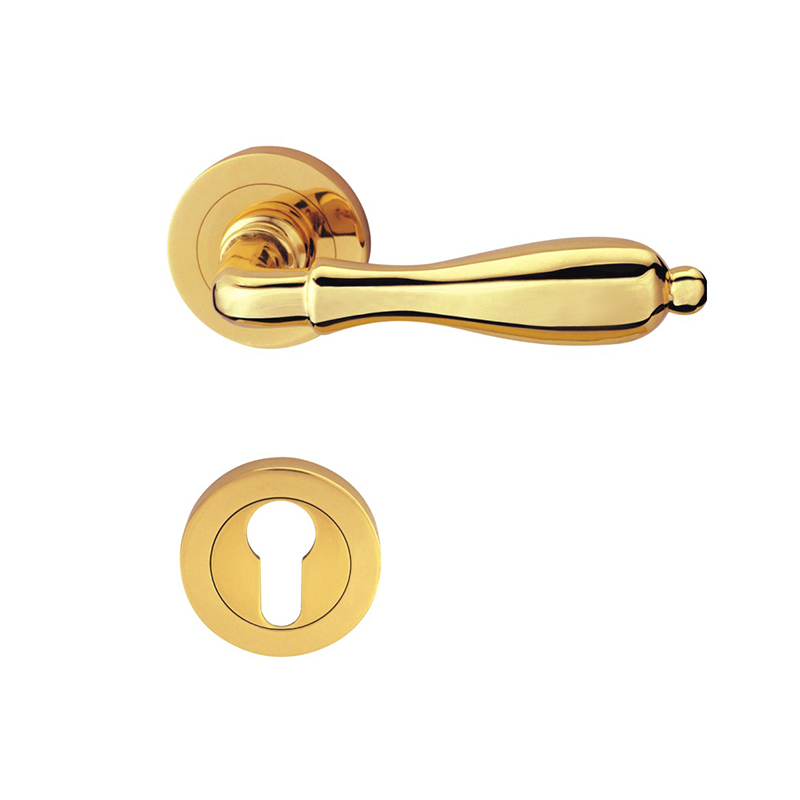
How To Clean Brass Door Handles?
Brass door handles can give a room a warmer and more refined look, but they also need the right cleaning method. In hotels, apartments, office buildings, villa projects, and interior door supply, the problem is not only whether the handle looks clean today. The bigger concern is whether daily cleaning will damage the surface, create color differences, or shorten the service life of the hardware.
For contractors, door suppliers, hardware distributors, and facility managers, cleaning mistakes can become after-sales problems. A strong chemical cleaner, rough cloth, or repeated abrasive wiping may make the handle look dull, scratched, or uneven. Once this happens across many rooms, the cost is no longer just a cleaning issue. It becomes a replacement and maintenance issue.
First Check Whether It Is Solid Brass Or A Brass Finish
Before cleaning brass door handles, buyers and maintenance teams should first confirm what type of surface they are dealing with. Some handles are made from solid brass. Others may use a brass-colored finish, plated surface, or coated decorative layer. These surfaces should not be cleaned in the same way.
Solid brass can usually handle gentle polishing when needed, but a plated or finished surface may lose its color if workers use aggressive cleaners. In project buildings, this mistake is common because cleaning staff may not know the exact surface process of each handle.
For B2B projects, the safest approach is to prepare one cleaning guide for the whole building. If the door hardware uses a decorative finish, maintenance teams should avoid acidic cleaners, steel wool, hard brushes, and strong polishing compounds unless the supplier confirms they are safe.
Use Mild Cleaning For Daily Maintenance
Most brass door handles do not need heavy polishing every day. For daily cleaning, a soft cloth with mild soap and water is usually enough to remove fingerprints, dust, and light marks. After wiping, the surface should be dried with a clean cloth so water spots do not stay on the handle.
This simple step matters in hotels and office projects because door handles are touched many times each day. If moisture, sweat, or cleaning residue remains on the surface, the handle may lose its clean appearance faster.
For facility managers, consistency is important. One worker using a soft cloth and another using rough cleaning powder can create different results on the same batch of handles. Clear cleaning rules help keep the finish more uniform across rooms.
Avoid Cleaning Habits That Create Replacement Costs
The fastest way to damage brass-style door hardware is to treat it like a rough metal part. Scrubbing hard may remove stains, but it may also leave scratches. Strong bathroom cleaners may brighten the surface at first, but they can affect the finish after repeated use. Wet cloths left around the handle may also create marks or dull areas.
In large projects, these small mistakes add up. A hotel may need to replace handles earlier than expected. An apartment project may receive tenant complaints about faded or patchy hardware. A distributor may face questions from clients who believe the product is defective, even when the issue came from unsuitable cleaning.
For door hardware buyers, cleaning resistance should be discussed before bulk orders. If the project requires frequent sanitation, the selected handle finish should match the cleaning routine used on site.
Choose Hardware With Maintenance In Mind
A door handle is not only a design detail. It is a high-touch product that must handle daily use, repeated cleaning, and long-term appearance requirements. This is why B2B buyers should review handle structure, surface finish, lock matching, installation parts, and maintenance needs together.
We are JINKAISHUN, and our Door Lever With Deadbolt is designed for interior door hardware supply where buyers need practical lever operation, matching lock function, and project-ready door hardware support. For distributors and contractors, this type of handle set can be discussed together with door thickness, lock body, finish direction, packing, and installation requirements before bulk orders.
When buyers plan door hardware for hotels, apartments, offices, and residential interiors, it is worth asking not only how the handle looks in a sample photo, but also how it will look after months of cleaning and daily use.
What Buyers Should Tell Cleaning Teams
For better maintenance, cleaning teams should follow a few clear rules:
Wipe handles with a soft cloth.
Use mild soap and water for routine cleaning.
Dry the surface after wiping.
Avoid steel wool, hard brushes, and abrasive powder.
Do not use strong acidic or alkaline cleaners without confirmation.
Test any new cleaner on a hidden area first.
Report loose handles, surface damage, or color changes early.
These rules are simple, but they can help protect the finish and reduce unnecessary replacement. They also make after-sales responsibility clearer because the hardware is being maintained in a more controlled way.
Conclusion
Cleaning brass door handles should be gentle, consistent, and matched to the actual surface type. For B2B projects, the real risk is not one dirty handle. It is repeated cleaning damage across many rooms, which can lead to dull finishes, scratches, color differences, and early replacement costs.
If your project needs door lever handles for hotels, apartments, offices, or interior door supply, it is better to review finish choice and cleaning expectations before confirming the order. We can help check the handle style, lock matching, door thickness, finish direction, and maintenance needs, so the selected door hardware is easier to install, easier to clean, and easier to manage after handover.